Scourmont Abbey (Chimay): much more than cheese!
Abbey cheeses:
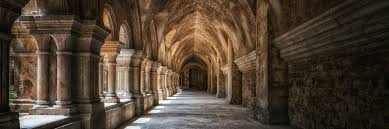
If cheeses are so widespread, it's first and foremost thanks to abbeys: they have played a key role in the production and distribution of cheese in Europe, and have done so for a very long time.
As early as the Middle Ages, abstinence from meat was encouraged, if not imposed, in the Western monastic tradition. Abbeys became places where new methods of dairy production were developed.
The tradition lives on today, as many abbeys still produce their own cheese, and of course a whole range of foodstuffs: beer, spirits, preserves, herbal teas... often produced for their own needs.
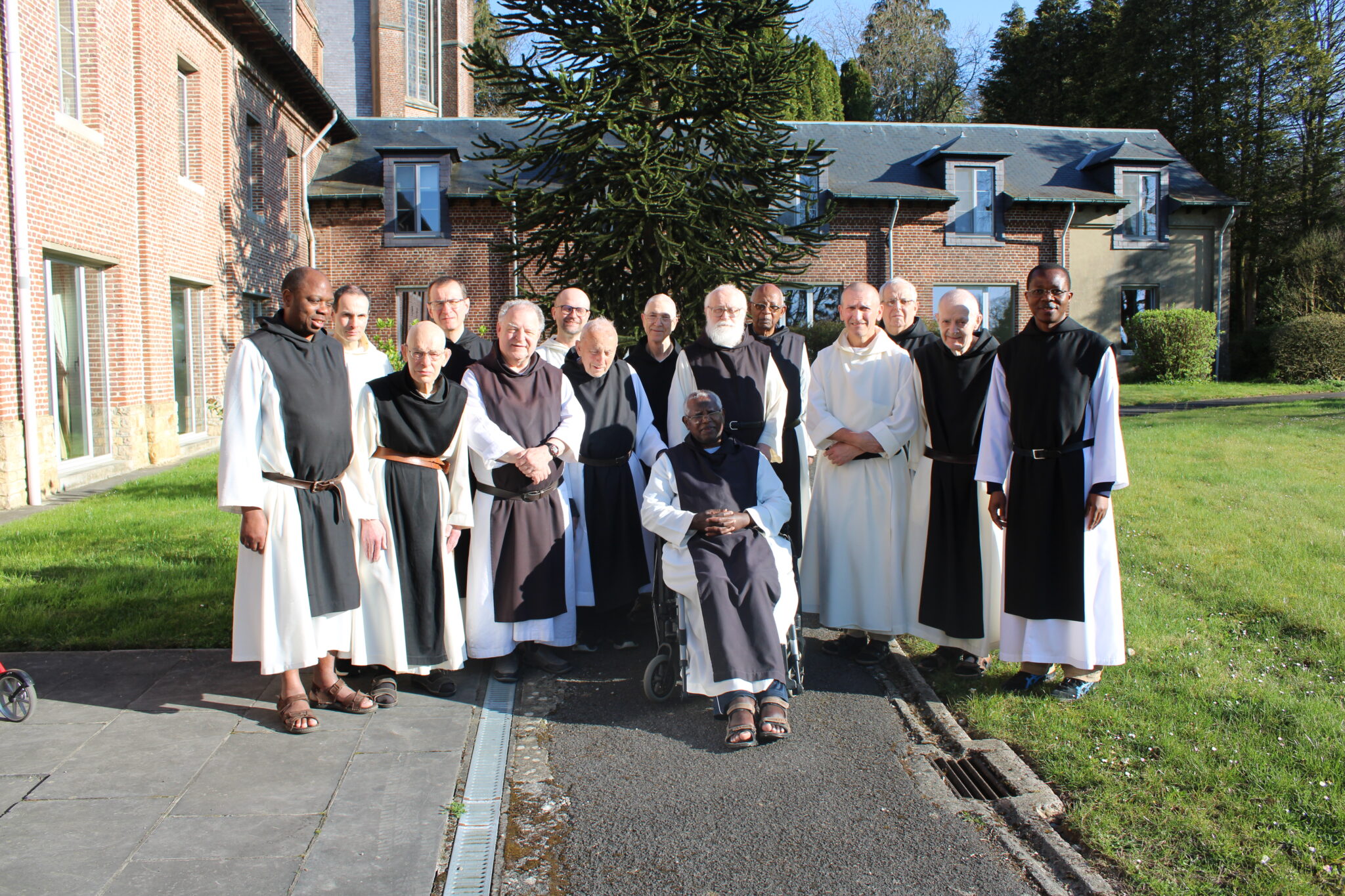
The Scourmont faith community:
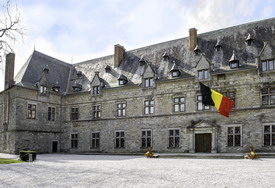
Prince Joseph de Chimay, at a time when duchies, counties and principalities were dividing Belgium among themselves, gave an uncultivated plot of land to the monks. Soon after, the chapel and farm were built, followed by cheese production in 1856 to feed the community.
To summarize the history and activity of the monks in the inscription on the foundation cross seems apt: " On July 25, 1850, the Cistercian monks who founded this abbey began to praise God and to clear the land". This testimony reminds us of God's first commandment, in Eden, and still to this day. This spiritual and material path remains a daily reality for the monks.
Strict rules of faith and trade:
A group of monasteries formed the Monastic association in 1989 to promote and protect their products. A trademark and logo guarantee the authenticity and originality of monastery products, particularly in response to misleading advertising by certain brands.
In this way, the monastery is involved from the design stage right through to marketing the product. However, the monks are flexible enough not to manufacture the products themselves, and can subcontract production as long as they remain the sole decision-makers.
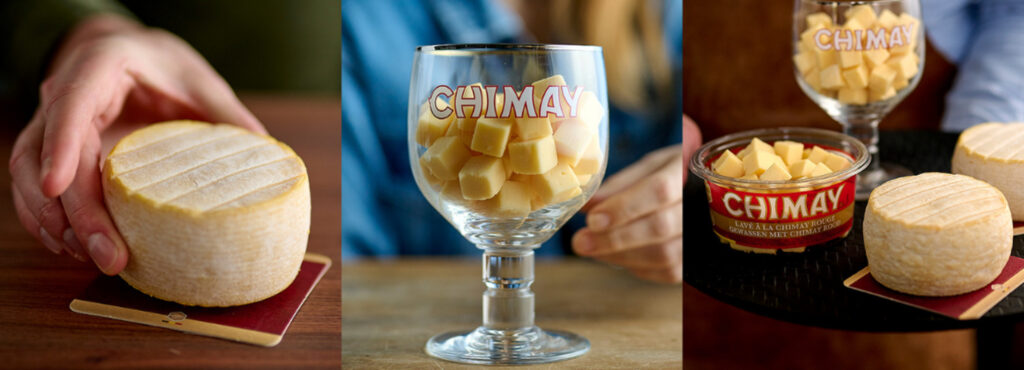
Monastic abbey cheeses include well-known names such as Tamié (Savoie) and Timanoix (Morbihan), as well as the one we'll be offering from now on: Chimay (Belgium), which today employs around a hundred people.
Another brand, owned by the Authentic Trappist Product label, also groups together a number of abbey products: in addition to the constraints of abbey production, there is the control of income, which must be donated to charity once needs have been covered.
Further information can be found on the AIT (Association International Trappiste) website.
Abbey cheese in our stores?
Given the growth of these products in the market, we can ask ourselves what the consumer is really looking for.
The traditional crémier has to offer rare products, but is this the only reason for this phenomenon? There are still a number of small, interesting productions, both in terms of quality and rarity, all over France, apart from abbey cheeses.
In any case, this sales segment, the monastic one, takes us back to the origins of cheese and therefore makes sense from this point of view. A great opportunity to recall our history! And, of course, to ask what the future holds for cheese and this very special trend: will monasteries become places for the cult of money, or will consumers appropriate the testimony of monks?
It's up to you to decide! In any case, you'll find these products with us from November onwards!