
Pearls from elsewhere: La torta del Casar DO
Torta del Casar is made using traditional methods with raw milk from Merino and Entrefina sheep. Raised on pasture, these sheep are well-adapted to extreme climates, and their milk, produced in small quantities, gives the cheese a rich and creamy texture. The cheese is curdled with thistle and aged for at least 60 days in a cloth until the rind forms.
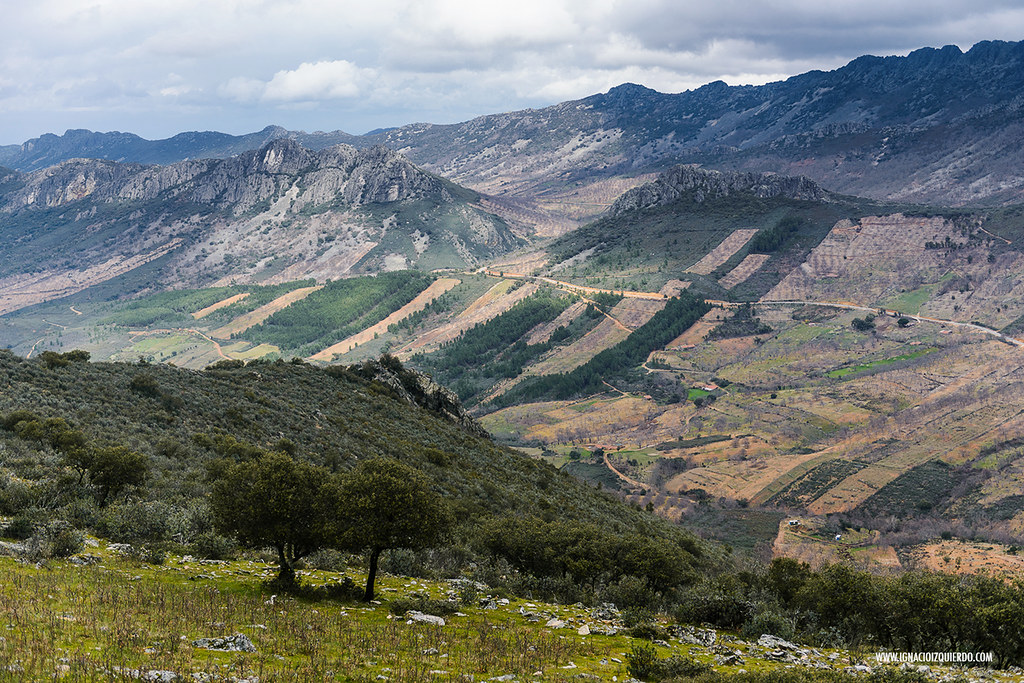
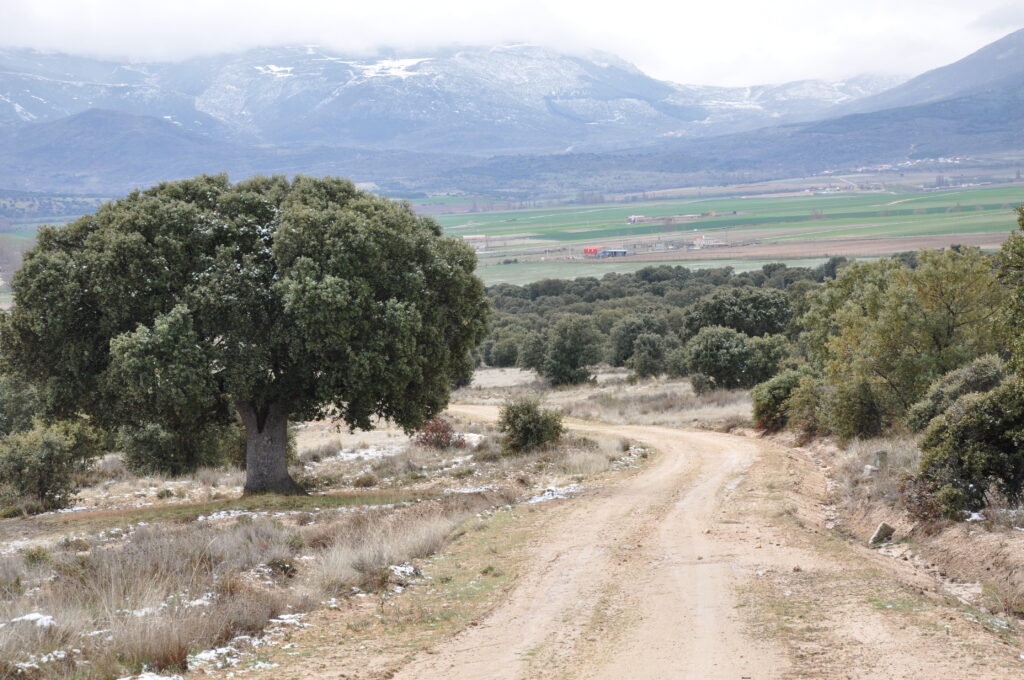
Its production is limited to the unique, historic region of Cáceres, where this activity has been practiced for centuries: the steppe, where a few olive and pine trees grow alongside wild thistles and various aromatic herbs.
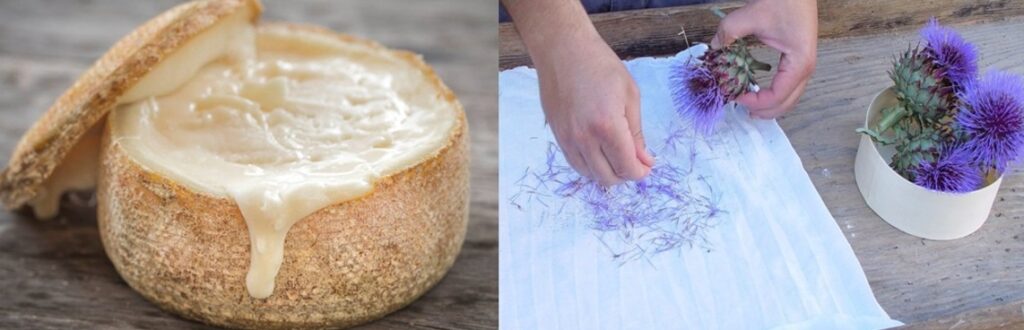
Its production accounts for barely 1% of the total Manchego DO cheese produced in the vast region of Castile. The renneting process, which uses wild thistles, gives it a characteristic mildly tangy and bitter flavor.
A cheese dating back to the 13th century
Shepherds struggle to make a living in the barren plains of southern Spain, where farming is difficult and rainwater is scarce. They realize that using thistle flowers to curdle milk might be a good idea. This plant-based curd allows them, on the one hand, to stop slaughtering their livestock to obtain the necessary rennet and, on the other, to expand sales to religious orders, who considered meat to be impure.
Their cheese would become their main source of food, and then, given its success, an important form of currency in the region.
It is thus from its weaknesses—namely its bitterness and runniness—that this cheese has drawn its strength, at various points in history, narrowly avoiding its permanent disappearance. Since the rennet made from thistles is not as effective as animal rennet, the cheese collapses, taking on the flattened appearance of a “torta.” Today, the cheese is encircled to prevent this from happening.
How to eat it
First, at room temperature. Cut off the top, and the spread is ready to be spread on bread or enjoyed with picos (a type of breadstick). You can also serve it over a vegetable gratin: heat a few spoonfuls of the spread with some cream in a saucepan, then pour it over the dish.
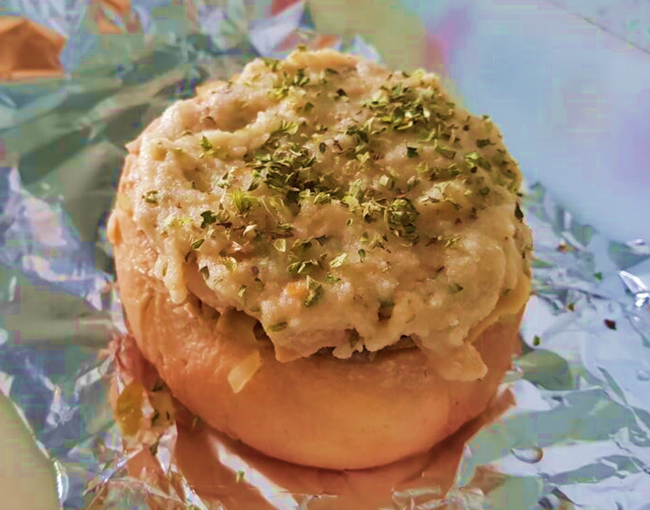
If there’s any left over, you can reuse it to make a dish with the crust and get the most out of its flavor: simply top it with a variety of fresh vegetables (asparagus, mushrooms, etc.) and bake it in the oven.
Remember to open a bottle of red or white, rather light and fruity, you'll see that you will not be disappointed!